Table of Contents
- Functional Beverage Market Growth 2026: The Numbers Behind the Shift
- Zero-Sugar Drink Innovations: Why Sweetener-Free Is Winning
- The Benefits of Nitrogen-Infused Tea: Smooth Texture Without Compromise
- Gut Health, Adaptogens, and Nootropics: What's Actually in the Can
- Low-Alcohol and No-Alcohol Alternatives: The Mindful Drinking Shift
- Regulatory and Safety Considerations for Functional Drinks
- Cost-Benefit Analysis: What Consumers and Retailers Should Weigh
- Frequently Asked Questions
Last Updated: September 17, 2026
Functional Beverage Market Growth 2026: The Numbers Behind the Shift
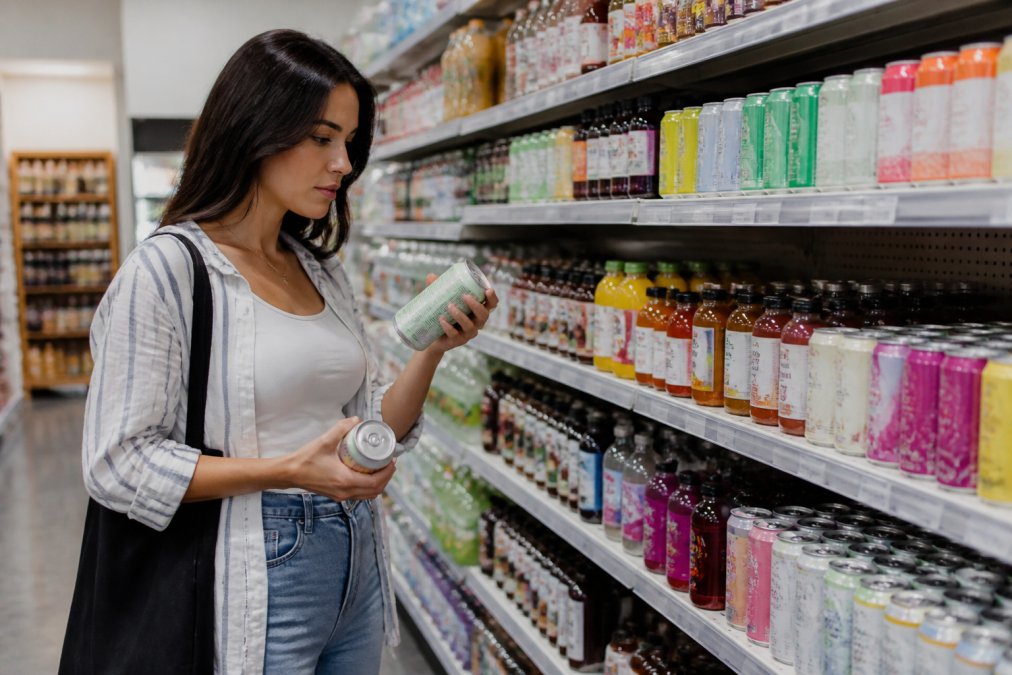
Healthy beverage trends 2026 are shaped by a simple reality: shoppers now read the label before the price. This guide from 3GO - Nitro Thai Tea breaks down what is selling, what is fading, and how retailers and operators can stock accordingly. Functional beverages deliver a specific health benefit beyond hydration or refreshment, and they have moved from niche gym coolers into mainstream grocery aisles as consumers treat a can of tea or sparkling water as a daily wellness habit.
What's Driving the Growth
Three forces are pushing the category forward. Consumers are more health-conscious and want drinks that do something for them. Clean label expectations have hardened, so shorter ingredient lists win trust. And the shift toward mindful drinking has opened space for sophisticated non-alcoholic options that feel adult rather than childish.
What This Means for Retailers and Operators
Shelf space is finite, so the question is not whether to stock functional drinks but which ones. Buyers who curate a tight, credible set of gut-friendly, low-sugar, and plant-based options generally outperform those who chase every trend at once.
Zero-Sugar Drink Innovations: Why Sweetener-Free Is Winning
Zero-sugar drink innovations are winning because consumers have stopped trusting artificial sweeteners. Shoppers now associate sugar-free with cleaner formulations, not just fewer calories, pushing brands toward stevia, monk fruit, and simple unsweetened recipes that let the base ingredient speak for itself.
The Artificial Sweetener Backlash
The backlash against artificial sweeteners is real and durable. Many consumers scan for sucralose, aspartame, and saccharin and put the can back when they find them, so a zero-sugar product with no artificial additives is a safer bet than one that is merely low-calorie.
The Benefits of Nitrogen-Infused Tea: Smooth Texture Without Compromise
Nitrogen infusion is the quiet differentiator in this year's lineup. The benefits of nitrogen-infused tea come down to texture: the gas creates tiny bubbles that produce a creamy, velvety mouthfeel without dairy, sugar, or added fat. Unsweetened tea can taste thin and astringent, so people reach for cream and sugar; nitrogen gives the drink a rich body on its own, meaning a zero-sugar tea can still feel indulgent.
Gut Health, Adaptogens, and Nootropics: What's Actually in the Can
Gut health, adaptogens, and nootropics are the three ingredient stories dominating the category, and they are not equal. The difference is mechanism, dose, and how much human data exists.
Probiotics and Prebiotics: The Gut Axis
Probiotics are live microorganisms; prebiotics are the fibers that feed them. Kombucha remains the most recognizable format, but the category has expanded into kefir-based sodas, water kefir, and shelf-stable spore-forming probiotic drinks. Beneficial bacteria colonize the gut, fermenting fiber into short-chain fatty acids that support the intestinal lining and interact with immune tissue.
Adaptogens: Stress Response, Not Sedation
Adaptogens such as ashwagandha, reishi, and rhodiola are marketed for stress and mood, with a proposed mechanism of modulating the hypothalamic-pituitary-adrenal axis. Ashwagandha is the most studied, with the strongest signal around perceived stress and sleep quality; reishi and rhodiola have smaller, more preliminary evidence.
Nootropics: Focus Claims Outrun the Evidence
Nootropics are pitched for mental clarity and focus. Caffeine and L-theanine are the best-supported pair, the amino acid smooths caffeine's edge without killing alertness, and appear together in many functional cans. Beyond that, lion's mane, alpha-GPC, and citicoline have early research but limited large human trials, making focus claims the least proven of the three categories.
The Regulatory Line: Beverage or Supplement?
This is the part most trend pieces skip. In the United States, a product marketed as a conventional beverage is regulated differently than one marketed as a dietary supplement. The FDA guidance on dietary supplements and beverage labeling governs how functional ingredients can be described, and claims must be truthful and not misleading.
Evidence at a Glance
Ingredient Category |
Typical Claim |
Evidence Strength |
Mechanism |
Dose Watch-Out |
|---|---|---|---|---|
Probiotics and prebiotics |
Gut health, immune support |
Stronger, well-studied |
Gut microbiome and short-chain fatty acid production |
Live cultures need cold chain; check CFU count |
Adaptogens |
Stress, mood balance |
Mixed, still emerging |
HPA axis modulation |
Clinical doses often far exceed canned doses |
Nootropics |
Focus, mental clarity |
Limited, early research |
Neurotransmitter and blood-flow pathways |
Only caffeine plus L-theanine is well-supported |
When a label stacks five functional ingredients into one can, the dose of each is usually too small to matter. Fewer ingredients at meaningful levels tend to be the better buy, and that is what informed shoppers are starting to look for.
Adaptogens and botanicals can interact with medications, ashwagandha with thyroid drugs and sedatives, for example, and probiotics are not appropriate for immunocompromised individuals. Pregnant people, those on blood thinners, and anyone managing a chronic condition should check with a clinician before making a functional drink a daily habit.
A Unique Angle Most Guides Miss
Most trend coverage stops at the label. The consumer-facing question is simpler: does the can contain a dose that matches the study, and is the ingredient legal in a beverage? Answer those two questions and the rest of the category becomes much easier to navigate.
Low-Alcohol and No-Alcohol Alternatives: The Mindful Drinking Shift
Low-alcohol and no-alcohol alternatives have moved from a January fad to a year-round category. The mindful drinking shift is driven by younger buyers who still want the ritual of a social drink without the alcohol. Mocktails, sparkling tea, and botanical blends now anchor bar menus and hotel mini bars alike.
Regulatory and Safety Considerations for Functional Drinks
Regulatory and safety considerations are the angle most trend pieces skip, and that is a mistake. In the United States, the FDA guidance on dietary supplements and beverage labeling governs how functional ingredients can be described, and claims must be truthful and not misleading. A drink sold as a conventional beverage faces different rules than one marketed as a supplement.
Cost-Benefit Analysis: What Consumers and Retailers Should Weigh
Cost-benefit analysis separates a smart stock decision from an expensive one. Competitors list trends; almost none help a buyer or shopper decide whether a $4 can is worth four times the price of a standard bottled tea. Here is a framework that does.
For Consumers: The Three-Question Test
Before paying a premium, ask three questions.
- Is the functional dose meaningful? Compare the label to the dose used in published research. If the can contains a fraction of the studied amount, you are paying for flavor and branding, not the functional claim.
- Is the base drink good on its own? A functional drink that needs sugar or cream to be palatable is a sign the formulation is compensating. A clean base, cold-steeped tea, sparkling water, or a nitro-infused pour, carries the functional ingredients without masking them.
- Does the format fit your routine? Shelf-stable cans that survive a gym bag, a desk drawer, or a hotel mini bar deliver more value than a fragile, short-dated bottle you have to drink within days.
If the answer to all three is yes, the premium is usually justified. If only one is yes, you are buying a trend, not a benefit.
For Retailers: Margin, Velocity, and Shelf Life
Retailers weigh different factors: margin per unit, velocity, shelf stability, and shrink risk. A high-margin product that sits for six months is worse than a lower-margin product that turns weekly, and short-dated refrigerated drinks carry real shrink risk in a standard cooler, while shelf-stable cans reduce it substantially.
- Ingredient credibility: are the functional claims supported by dose and evidence?
- Clean label: no artificial sweeteners or preservatives?
- Shelf stability: does it hold up in a standard cooler or dry shelf?
- Margin and velocity: does it earn its space?
- Regulatory clarity: are the claims and ingredients compliant for beverage sale?
Matching the Product to the Setting
Different venues reward different profiles. A boutique hotel with limited mini bar space moves a shelf-stable, zero-sugar option with a premium feel better than a fragile, short-dated product. A fitness facility cares about durability, since cans that leak or fail in vending machines create real losses. A grocery buyer wants a mix of fast-turning everyday options and a smaller number of premium functional SKUs that lift the category's average ring.
The Evidence-to-Price Ratio
The cleanest way to think about premium functional drinks is as an evidence-to-price ratio. A can with a well-studied ingredient at a meaningful dose, a clean base, and a shelf-stable format earns its premium; a trendy ingredient at a token dose, a sugar-heavy base, and a short shelf life does not, no matter how good the marketing is.
Frequently Asked Questions
What are the top functional beverage trends for 2026?
The biggest shifts include zero-sugar formulations, nitrogen-infused textures, adaptogen and nootropic ingredients, gut-friendly probiotics and prebiotics, and low-alcohol or no-alcohol alternatives. Consumers are also prioritizing clean labels, shelf-stable convenience, and functional benefits like immune support and mental clarity. Retailers should stock a mix of these categories to meet demand from health-conscious buyers across age groups.
How is the demand for zero-sugar beverages evolving in 2026?
Demand continues to climb as consumers avoid artificial sweeteners and added sugar. Zero-sugar drinks now appeal beyond diet-focused shoppers to anyone seeking clean hydration or functional benefits without a sugar crash. Brands that use natural flavor and no artificial additives are gaining shelf space, especially in convenience stores, gyms, and hotel minibars where customers want a better-for-you option that still tastes good.
What role does nitrogen infusion play in modern healthy drinks?
Nitrogen infusion creates a creamy, velvety mouthfeel without adding dairy, sugar, or fat. It also helps preserve shelf stability by displacing oxygen, which can extend freshness. For tea and coffee drinks, this process smooths bitterness and delivers a richer texture that drinkers associate with indulgence, making zero-sugar options more satisfying and easier to adopt as everyday beverages.
Why are consumers shifting toward shelf-stable, clean-label beverages?
Shelf-stable drinks offer convenience for retailers and consumers alike: no refrigeration needed, longer shelf life, and easier distribution. Clean labels matter because shoppers increasingly read ingredient lists and avoid artificial preservatives, colors, and sweeteners. Together, these preferences push brands to formulate products that are both practical to stock and aligned with health-conscious values, driving growth in canned teas, sparkling waters, and functional sodas.